Acoustic Fencing — How It Works & What to Expect
Acoustic fencing works by acting as a physical barrier that absorbs, reflects, and diffracts sound waves before they reach your garden or building. Unlike a standard timber fence, acoustic fencing uses dense, heavy panels with no gaps — because sound, like water, finds every opening. A well-designed acoustic barrier can reduce noise levels by 10–20 decibels, which the human ear perceives as a halving of perceived loudness.
It's important to set realistic expectations: acoustic fencing cannot eliminate noise entirely, and its effectiveness depends on the proximity and height of the noise source, the height and continuity of the barrier, and the local topography. However, for the majority of Derby properties affected by road or railway noise, a properly specified and installed acoustic fence will deliver a meaningful, noticeable improvement.
Common Noise Sources Affecting Derby Properties
Road Traffic
Properties near the A52, A38, A516, A6, A61 and Derby ring roads frequently suffer from significant road noise, particularly HGV and heavy traffic.
Railway Lines
The Midland Main Line and other rail routes through Derby generate significant noise for properties alongside or near railway corridors.
Industrial & Commercial
Properties adjacent to industrial estates, warehouses, loading bays, or commercial sites with plant, machinery, or delivery vehicles.
Neighbours & Local
Air conditioning units, heat pumps, garden machinery, and other localised noise sources can also be partially mitigated with correctly placed acoustic barriers.
Construction Sites
Temporary acoustic hoarding around active construction sites is often required by planning conditions. We install temporary and permanent acoustic solutions.
Leisure & Events
Properties near stadiums, outdoor event venues, or leisure facilities may experience periodic high-intensity noise. Acoustic fencing can reduce impact significantly.
Noise-Affected Roads & Areas in Derby
Derby has several significant arterial routes and areas where road noise is a common complaint for residents. Properties near these roads are most likely to benefit from acoustic fencing:
How Acoustic Fencing Is Specified & Installed
Free Site Assessment
We visit your property, assess the noise source, measure distances and heights, and identify the minimum fence height and panel specification needed to be effective.
Panel Selection
We specify the right panel type — dense timber, composite, or mass-loaded — based on the frequency and intensity of the noise and your budget.
Post Foundation
Acoustic panels are heavy. Posts are set in concrete to greater depths than standard fencing to handle the additional load and wind pressure on a solid barrier.
Gap-Free Installation
Every panel is installed with sealed joints and no gaps at the base. Any opening — however small — allows sound to pass through and significantly reduces effectiveness.
Acoustic Panel Types
Dense Timber Acoustic Panels
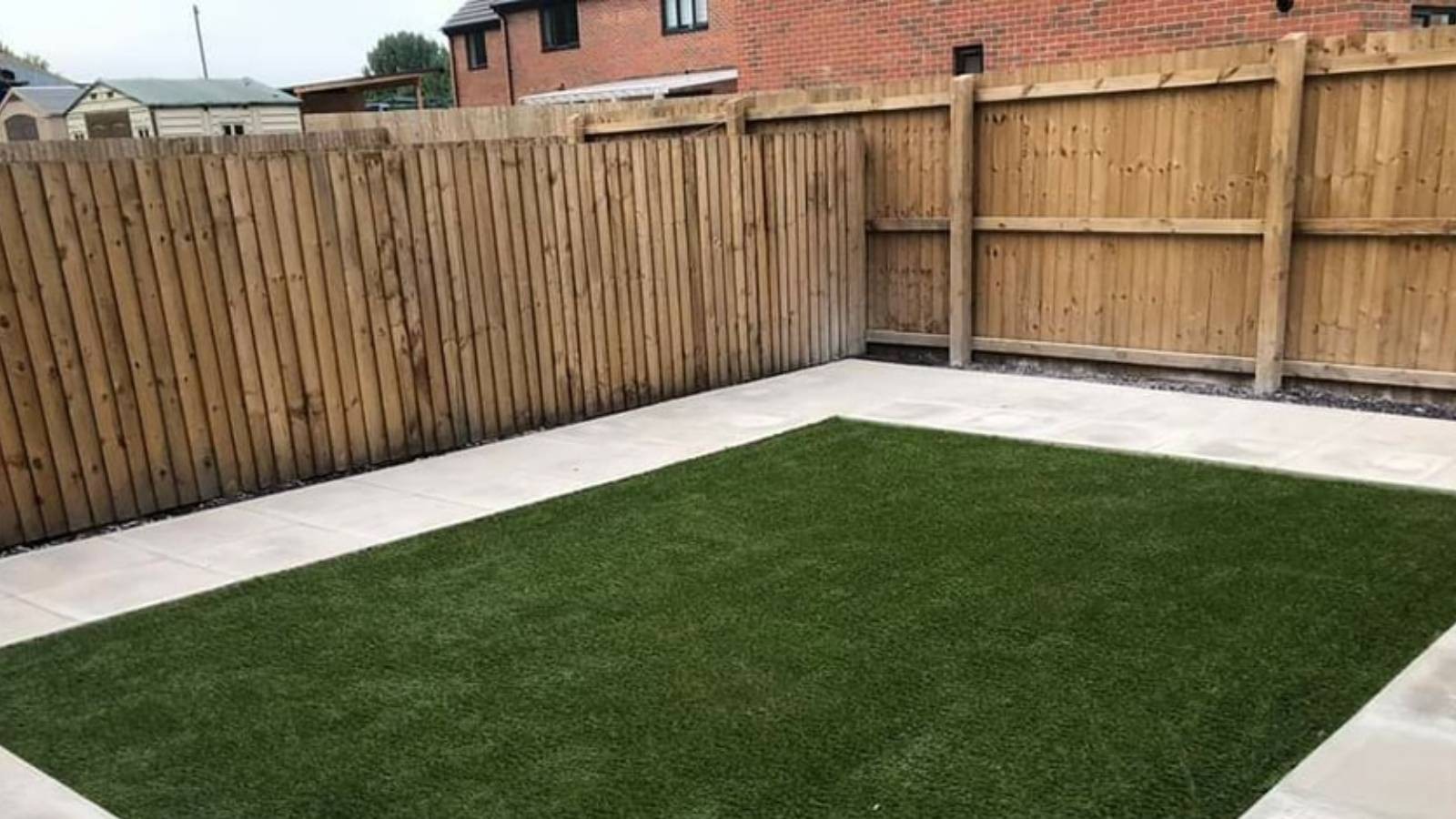
Thick, close-boarded or double-skin timber panels with no gaps. The most cost-effective acoustic option and the most visually attractive — looks like premium close board fencing from the garden side.
Composite Acoustic Panels
Composite panels with a higher surface mass than timber, delivering better sound absorption. Often used where the noise source is particularly intense or close.
Mass-Loaded Acoustic Barriers
High-mass acoustic panels using concrete or specialist mass-loaded materials. The highest-performance option for intensive noise environments such as motorway proximity or industrial sites.
Reflective Acoustic Barriers
Smooth-faced barriers designed to reflect sound away from the protected area rather than absorb it. Used in specific situations where the reflected sound direction can be managed.
Acoustic Fencing Costs in Derby
Acoustic fencing costs more than standard fencing because the panels are heavier, the posts require deeper foundations, and the installation requires more care to eliminate gaps. Typical costs:
- Dense timber acoustic fencing — typically £150–£250 per linear metre installed, depending on height
- Composite acoustic panels — typically £200–£350 per linear metre installed
- Mass-loaded or concrete acoustic barriers — from £300+ per linear metre for high-specification commercial installations
Height has a significant impact on cost — a 2.4m acoustic fence will cost considerably more than a 1.8m fence. We'll help you identify the minimum effective height for your situation so you don't spend more than necessary.
Areas of Derby We Serve for Acoustic Fencing
We install acoustic fencing across all of Derby, with particular demand from properties in road-adjacent areas including Alvaston (A6 corridor), Chaddesden (A61 area), Mickleover (A516 corridor), Spondon (A52 area), and Normanton. View all areas we cover.